FATHER MOTHER SISTER BROTHER
Three moody jazz variations in a very minor key
Directed by: Jim Jarmusch
Starring: Tom Waits, Adam Driver, Cate Blanchett, Charlotte Rampling, Vicky Krieps
Certificate: tbc
Released: 10 April 2026
Rating: 7/10
Back in 2014 Jim Jarmusch told Uncut about his plan for what could have been his quintessential film. "John Lurie and Tom Waits were brothers who did not get along at all. Their father was a recluse, semi-alcoholic, but very intelligent, interesting, gruff guy living out in nowhere, with a bottle and shotgun. I wanted the father to be Lee Marvin."
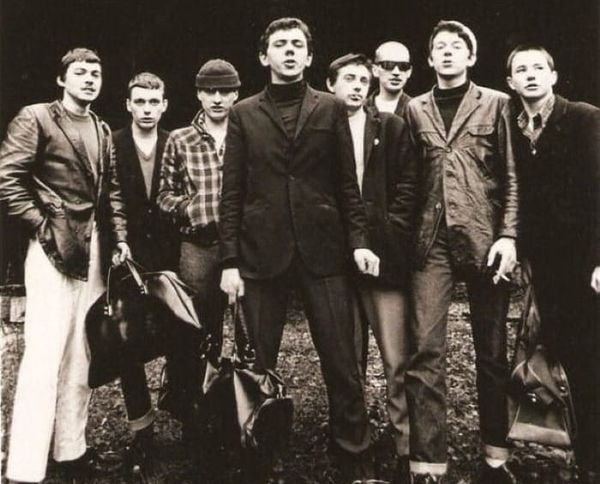
The idea birthed a secret society – The Sons of Lee Marvin, comprising Waits and Lurie and sundry lost boys such as Nick Cave, Iggy Pop and Neil Young – but with Marvin himself long dead, the film remained a wistful pipe dream. For almost half a century Jarmusch has investigated the varieties of human loneliness, drifting through an oddball America of jailbirds, hobos, barflies, cab drivers, cowboys, vampires, samurai, and even, with 2019's The Dead Don't Die, zombies. You find fleeting couples and companions, but rarely a regular human family. Until now.
Father Mother Sister Brother is Jarmusch's fourteenth feature, and easily his quietest – the shift from flesh-eating undead to tinkling teacups could scarcely be more extreme. But in a way it's a homecoming. In fact you could argue that the family unit is the ultimate horror in the Jarmusch cinematic universe – the institution everyone is on the run from.
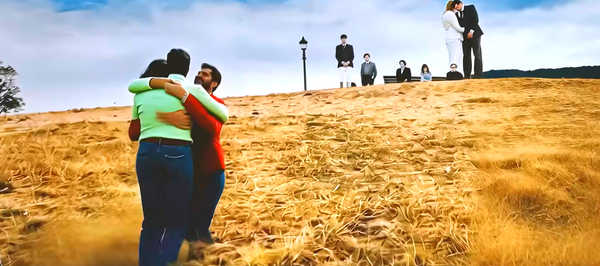
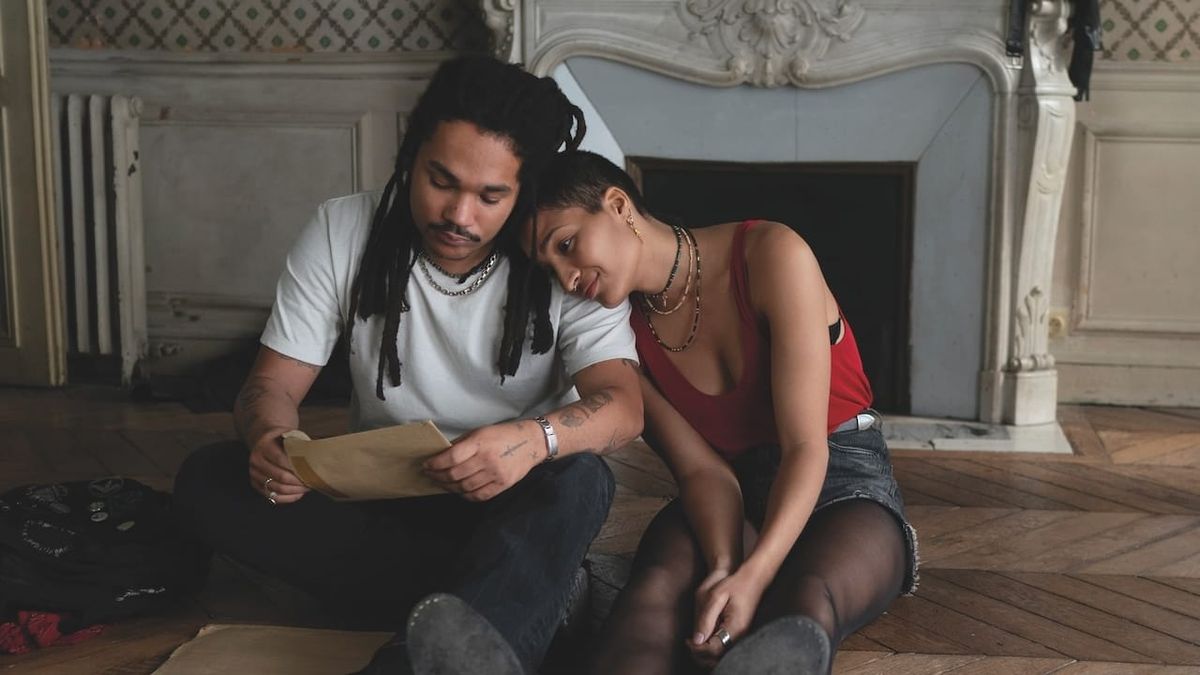
He is of course an old hand at the anthology movie, and the film is formed of three distinct vignettes. A pair of awkward adult siblings (Adam Driver and Mayim Bialik) drive to see their father (Tom Waits) in snowy New Jersey. Two chalk-and-cheese sisters (Vicky Krieps and Cate Blanchett) pay a visit to their mother (Charlotte Rampling) in bourgeois Dublin. And, following the death of their parents, a pair of twins (Indya Moore and Luka Sabbat) pack up their old family apartment in autumnal Paris. The scenes feel like decaffeinated, smoke-free episodes from the Jarmusch deadpan coffeeshop universe.
Waits plays something like the Lee Marvin role in this scenario. As the wily widower in a New Jersey shack, he settles into the part like he's easing into an old couch. It is the most overtly amusing segment, and the one that leaves you wanting to know more about the old devil's carefully concealed wild side.
Meanwhile in Dublin, Charlotte Rampling's exacting novelist mother entertains her daughters in what is the nearest Jarmusch has ever come to a Mike Leigh film, emotions communicated entirely through forced pleasantries and loaded silences. Its pivot comes in a single line – Rampling reaching for the teapot and asking, with a surgical smile, "Shall I be mother?" The Parisian epilogue, following a pair of twins clearing out their dead parents' apartment, is warmer and quieter than its predecessors – almost a different film, shot by a different cinematographer (the first two segments use Frederick Elmes, the third Atsushi Nishijima).
There's a mighty fine line between minimalism and inertia, and Jarmusch has walked it his entire career. Father Mother Sister Brother won't convert the doubters, and even admirers may find it a stopgap work. But for those who tune in to its elusive frequencies, the film's formal rigour and warmth constitute a rare achievement – three moody jazz variations in a very minor key.