Beatles 4: Ringo
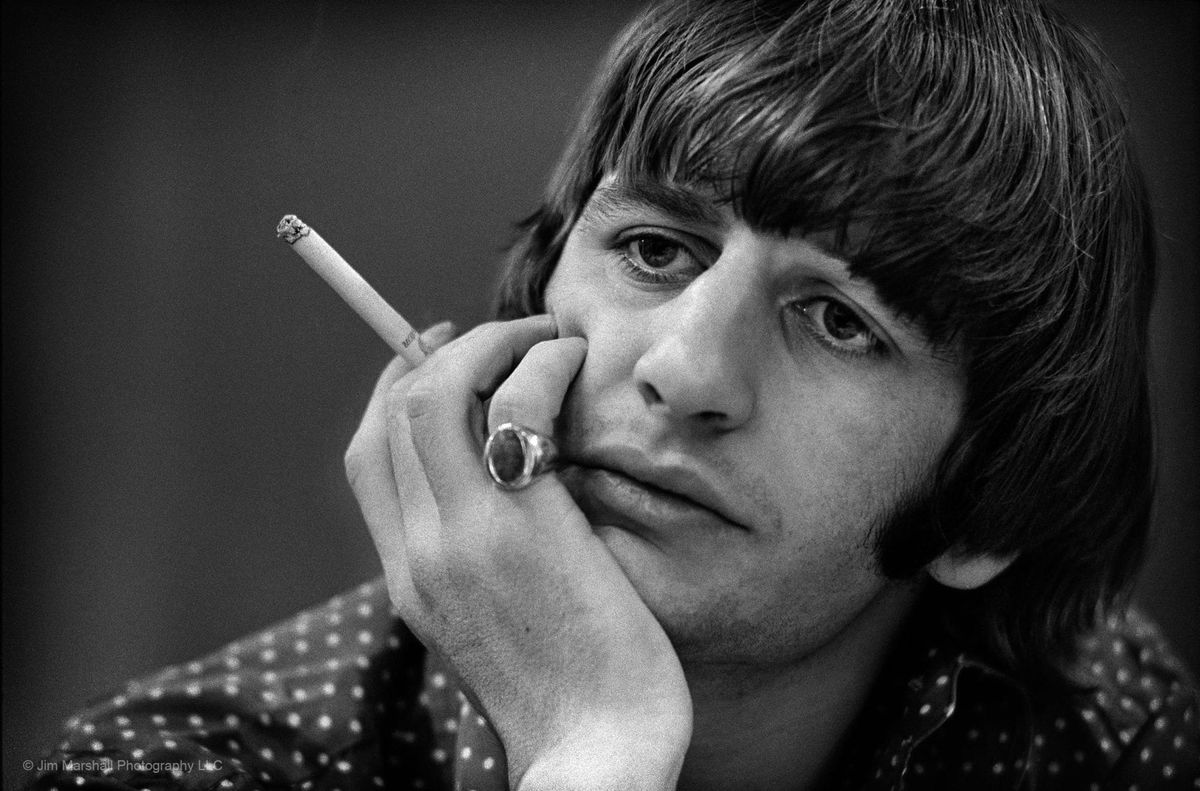
Sitting in his English garden, Ringo Starr is dreaming.
It’s September 1966, the last waning days of a glorious summer, and it feels like the first time he’s put his feet up in years.
It’s been just four years since he skipped out on Rory Storm and the Hurricanes, a couple of weeks before the end of their summer season at Skegness Butlins, and joined the Beatles for a booking at the Port Sunlight Horticultural Society’s annual dance. The real storm was just beginning.
In the past year alone he’s been made an MBE, sung lead on a worldwide number one single, and starred in one of the biggest grossing movies of 1966. He’s met Elvis, played to record breaking crowds across three continents and become, in theory, the world’s first millionaire drummer. Not too bad for a sickly kid from Dingle? He’s got it all - the beautiful home, the gorgeous wife and now a bouncing baby boy, Zak. He’s got his own personal pub, cinema and go-kart track, for pity’s sake. But Ringo’s dreams are uneasy. Maybe it’s just tinnitus, maybe it’s the lingering effects of his last bad trip, but even out here in sleepy Surrey, he can still hear the screaming.
Back at the start of 1965, the idea of making another film with Dick Lester where the boys are pursued through the Bahamas and the Alps by a murderous cult still seemed like a good idea. Something like Goldfinger meets Duck Soup, with Ringo as the mute, long-suffering Harpo? These days it feels like it was slapstick prophecy. In the course of filming Help! Ringo is hunted, electrocuted, threatened with a man-eating Bengal tiger and trussed up as a human sacrifice to Kali. So far they haven’t encountered any more tigers, but the rest of it doesn’t seem off the cards.
The world tour of 1966 is a litany of disaster. In June, in Japan, there public protests when they play the sacred Buddokan Hall and the band are kept under house arrest, supposedly for their own safety, on the 18th floor of the Tokyo Hilton. In July, in Manila they inadvertently snub President Marcos and Imelda, are forbidden from leaving the country until Brian Epstein personally coughs up several grand to the tax inspector, and are set upon in the airport by hundreds of aggrieved Filipino fans. Fleeing to New Delhi offers little respite as, it turns out, India too has been stricken by Beatlemania.
But nothing prepares them for the USA in the infernal August of 1966. Back in March they had a laugh with NEMS’ in-house photographer and aspiring surrealist, Bob Whitaker, going along with his ideas for a conceptual triptych about the group’s messianic aura. Whitaker shot them with strings of umbilical sausages, hammering nails into each other’s heads, trapped in bird cages and packaged in cardboard boxes. Most lurid was the shot of the boys wearing bloody butchers coats, draped in racks of lamb, holding dismembered dolls and grinning maniacally.
Somehow it’s insisted, and agreed, that this last shot is perfect for the cover of Capitol’s new sliced and diced compilation, Yesterday and Today. Only belatedly, after they’ve printed and distributed 750,000 copies, does the label consider a possible error of judgement and desperately attempt to retrieve and literally recover the albums.
But it’s too late. The resentment that always lurked at the livid edge of Beatlemania finally comes to the fore in July, when an aside in an otherwise innocuous Evening Standard interview with John, shows up, shorn of all context, in the US teen magazine Datebook: “THE BEATLES ARE MORE POPULAR THAN JESUS”.
The subsequent tour is a long slow cruise into Hell. In Alabama there are public burnings of Beatles memorabilia. In Washington DC Imperial Wizards from the Ku Klux Klan show up to protest the concert. In Memphis a firecracker explodes onstage shortly after a telephoned death threat and in Cincinnati they narrowly avoid electrocution after a torrential downpour drenches the stage.
By the Beatles arrive in San Francisco on 29 August to a drizzly, half-empty Candlestick Park stadium in San Francisco they are counting down the minutes until they are done. Ringo can’t even get the words right when he’s invited to sing “I Wanna Be Your Man”. “It’s been great working with you, Ringo” says John, like a showbiz veteran who’s hit the end of the road.
For Ringo the worse thing, beyond the death threats, riots and international diplomatic incidents, may be the feeling that’s he’s become a spare part, or worse, a mascot, like one of Ken Dodd’s Diddymen. None of the boys had played on “Yesterday” but that had always been a Macca solo number (“For Paul McCartney from Liverpool, Opportunity Knocks,” drawled George when he debut the song on Blackpool Night Out in August 1965). But through the three albums, Help!, Rubber Soul and Revolver, released across 65 and 66, although the group is making astonishing quantum leaps every six months in terms of songwriting, production and presentation, Ringo can’t help feel like one of the session men - called in from his eternal card game with Mal Evans whenever they need him.
Now in the autumn of 1966, as George flies off to India with Patti, as Paul heads on safari through Africa, and John is on his way to Germany to make another film with Dick Lester, Ringo lies back and listens to Revolver. The final song is another John song inspired by a Ringoism, from the moment when Beatlemania first turned crazed, when assembled diplomats poked, prodded and even snipped at his hair at the British Embassy. It’s the wildest thing they’ve ever recorded, the sound of two maddening years transformed in a lysergic vortex of tape loops and Buddhist chants. The drumming, he concludes, is not too bad. Not bad at all. As the screaming fades, Ringo lies back and tries to float downstream.